
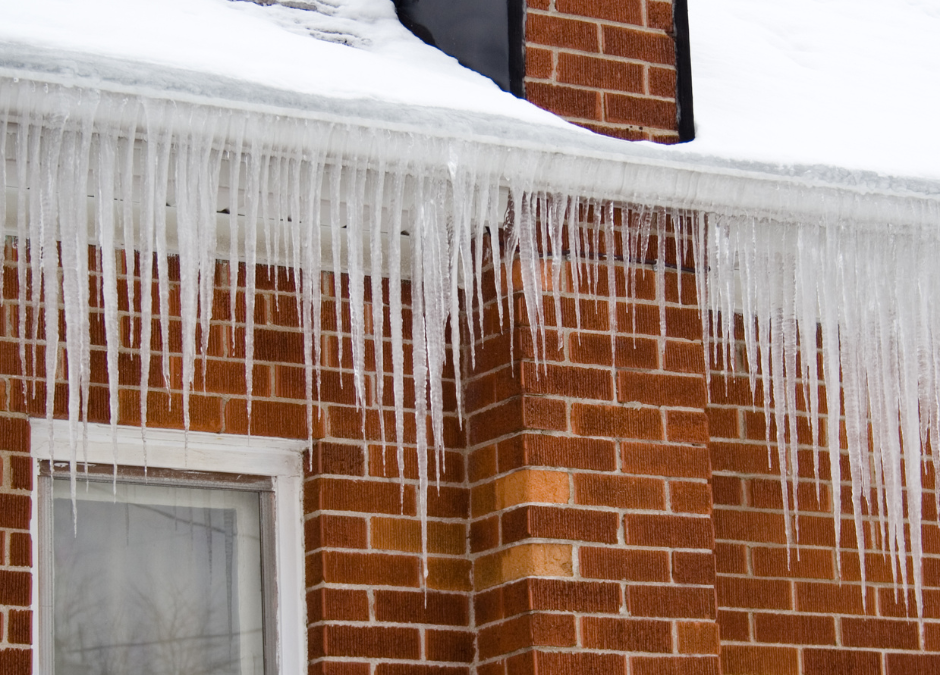
As winter approaches Louisville, Kentucky, homeowners begin preparations for the cold months ahead—checking furnaces, weatherizing windows, and stocking emergency supplies. However, one crucial aspect of winter preparation often receives insufficient attention: gutter system maintenance. Cardinal Gutters has witnessed how overlooked gutter issues transform into serious problems when winter storms arrive. Understanding the importance of pre-winter gutter care helps Louisville homeowners protect their investments and avoid preventable damage.
Louisville’s Winter Weather Reality
Louisville experiences a transitional climate that brings significant winter weather variability. Positioned in the Ohio River Valley, the city encounters cold air masses from the north colliding with milder air from the south, creating conditions for ice storms, snow events, and frequent freeze-thaw cycles. Average winter temperatures hover in the mid-30s to low 40s during the day, dropping into the 20s at night—a range that proves particularly challenging for gutter systems.
The region typically receives 10-15 inches of snow annually, though this accumulation arrives in sporadic events rather than consistent coverage. More concerning for gutter performance are Louisville’s ice storms. Freezing rain can accumulate rapidly, coating everything in ice including gutters, downspouts, and roofs. These storms create immediate hazards and long-term problems when gutters aren’t prepared to handle the additional weight and drainage challenges ice presents.
Louisville also experiences what meteorologists call “mixed precipitation” events where rain, sleet, and snow occur simultaneously or in quick succession. These conditions test gutter capacity while temperatures fluctuate around freezing, creating perfect scenarios for ice blockages and overflow issues.
How Winter Conditions Stress Gutter Systems
Gutter systems face unique stresses during Louisville winters that don’t exist in other seasons. The primary challenge involves water that enters the system but cannot exit due to freezing. When temperatures drop, any water remaining in gutters from rain, snow melt, or ice thaw solidifies into ice. Unlike water, ice occupies more volume—approximately 9% more—exerting outward pressure on gutter walls, seams, and joints.
This expansion force can separate gutter sections, crack materials, and push gutters away from mounting brackets. Over a winter season with dozens of freeze-thaw cycles, even small amounts of trapped water cause cumulative damage that may not become apparent until spring when the system fails during heavy rain.
Weight represents another significant stress factor. Clean gutters experiencing normal rainfall pose minimal weight concerns, but ice-filled gutters create substantial loads. A standard K-style five-inch gutter filled with ice weighs about 25 pounds per linear foot. A modest home with 120 feet of gutters could be supporting 3,000 pounds of ice—far exceeding the system’s design capacity.
This excessive weight pulls on fasteners, stresses mounting points, and can damage the fascia board to which gutters attach. In severe cases, entire gutter sections detach from homes, falling onto vehicles, landscaping, or creating safety hazards for residents and visitors.
The Ice Dam Phenomenon
Ice dams deserve special attention as one of winter’s most destructive gutter-related problems. These formations develop through a specific process common in Louisville’s winter climate. Heat escaping from inadequately insulated attics warms roof surfaces, melting snow even when air temperatures remain below freezing. This meltwater runs down the roof toward gutters. However, roof edges (eaves) extend beyond the heated building envelope and remain cold. When meltwater reaches these cold areas, it refreezes, gradually building an ice ridge.
Once established, ice dams create barriers that prevent subsequent meltwater from draining. This trapped water has nowhere to go except backward, working its way under shingles designed to shed water moving downward, not upward. Water infiltration through roof penetrations leads to damaged insulation, stained ceilings, deteriorated drywall, and conditions conducive to mold growth.
Gutters filled with debris or improperly pitched exacerbate ice dam formation by providing additional surfaces where water can pool and freeze. Conversely, clean, well-maintained gutters allow maximum drainage, reducing water available for ice dam development. While gutters don’t cause ice dams—inadequate insulation and ventilation do—compromised gutter systems make the problem significantly worse.
Debris Accumulation and Winter Performance
Louisville’s urban forest contains diverse tree species including oaks, maples, sycamores, and evergreens, all contributing different types of debris to gutter systems. Fall leaf accumulation is obvious, but many homeowners don’t realize that debris continues entering gutters throughout winter through broken twigs, seed pods, and decomposing organic matter.
When this debris combines with water and freezes, it creates dense blockages nearly impossible to remove without risking gutter damage. These frozen debris masses prevent any drainage, guaranteeing overflow during winter precipitation events. The overflow typically occurs at the home’s exterior walls, where water runs down siding, accumulates near foundations, or seeps into basements.
Even small amounts of debris prove problematic in winter. A few leaves that barely affect summer performance can block drainage points when combined with ice, creating backup scenarios that damage both gutters and homes. This reality makes fall gutter cleaning essential rather than optional for Louisville homeowners.
Downspout Considerations in Winter
While gutter channels receive most attention, downspouts play equally critical roles during winter. These vertical sections channel water from gutters to ground level and away from foundations. When downspouts freeze—a common occurrence when water trickles through them during marginal temperature conditions—entire gutter sections become useless.
A frozen downspout creates a closed system where water enters gutters but cannot exit. The gutter fills, overflows, and the overflow water often freezes on home exteriors, creating ice sheets on walls, windows, and walkways. Louisville’s temperature fluctuations mean downspouts may freeze overnight even when daytime temperatures reach the 40s.
Downspout extensions that direct water away from foundations can also create problems if improperly positioned. Water discharged near foundations freezes, expands, and exerts pressure on foundation walls. Over multiple freeze-thaw cycles, this pressure can crack foundations and create entry points for water infiltration.
Pre-Winter Inspection and Maintenance Tasks
Effective winter preparation begins with comprehensive inspection. Examine gutters from ground level and, if safely possible, from ladders at closer range. Look for obvious debris accumulation, particularly in valley areas and near downspouts where leaves and twigs collect. Check for standing water in gutter sections, which indicates improper pitch or sagging that must be corrected before freezing temperatures arrive.
Inspect all gutter seams, corners, and end caps for gaps or separation. Apply appropriate sealants to small gaps, but recognize that significantly separated sections may require professional attention. Test downspouts by running water through them, watching for backup or slow drainage that indicates blockages.
Check the security of all mounting brackets, screws, and hangers. Tighten loose fasteners and replace any that are damaged or corroded. Pay particular attention to gutter sections that will bear the most weight during ice accumulation—typically longer runs between downspouts.
Examine fascia boards for rot, water damage, or deterioration. Even perfectly maintained gutters cannot function properly when attached to compromised fascia. Address fascia issues before winter to ensure gutters have solid mounting surfaces capable of supporting seasonal loads.
Long-Term Winter Protection Strategies
Beyond immediate pre-winter tasks, several long-term strategies improve gutter performance during Louisville winters. Installing gutter guards or leaf protection systems reduces debris accumulation year-round. While these systems don’t eliminate maintenance entirely, they significantly decrease the frequency and intensity of cleaning required.
Upgrading to larger gutter sizes—six-inch instead of five-inch systems—increases capacity for both water and ice. This extra capacity provides margin for error during extreme weather events. Similarly, adding downspouts to create shorter gutter runs reduces the distance water must travel, improving drainage efficiency.
Improving attic insulation and ventilation addresses ice dam root causes by keeping roof surfaces cold and minimizing premature snow melting. This building performance enhancement works synergistically with gutter maintenance to provide comprehensive winter protection.
Heat cable systems installed along roof edges and in gutters can prevent ice dam formation and keep drainage pathways open. While these systems consume electricity and require proper installation, they offer solutions for homes with persistent ice dam problems despite proper maintenance.
Conclusion
Winter storm preparation in Louisville requires attention to multiple home systems, with gutters playing a more critical role than many homeowners recognize. The city’s variable winter climate—characterized by freeze-thaw cycles, ice storms, and mixed precipitation—stresses gutter systems in ways that demand proactive maintenance and inspection. Cardinal Gutters knows that Louisville-area homeowners who understand the relationship between properly maintained gutters and winter home protection can make informed decisions about seasonal preparation. By addressing gutter maintenance before winter storms arrive, Louisville residents protect their homes from ice damage, water infiltration, foundation issues, and the costly repairs that follow when winter reveals system weaknesses that could have been prevented.