
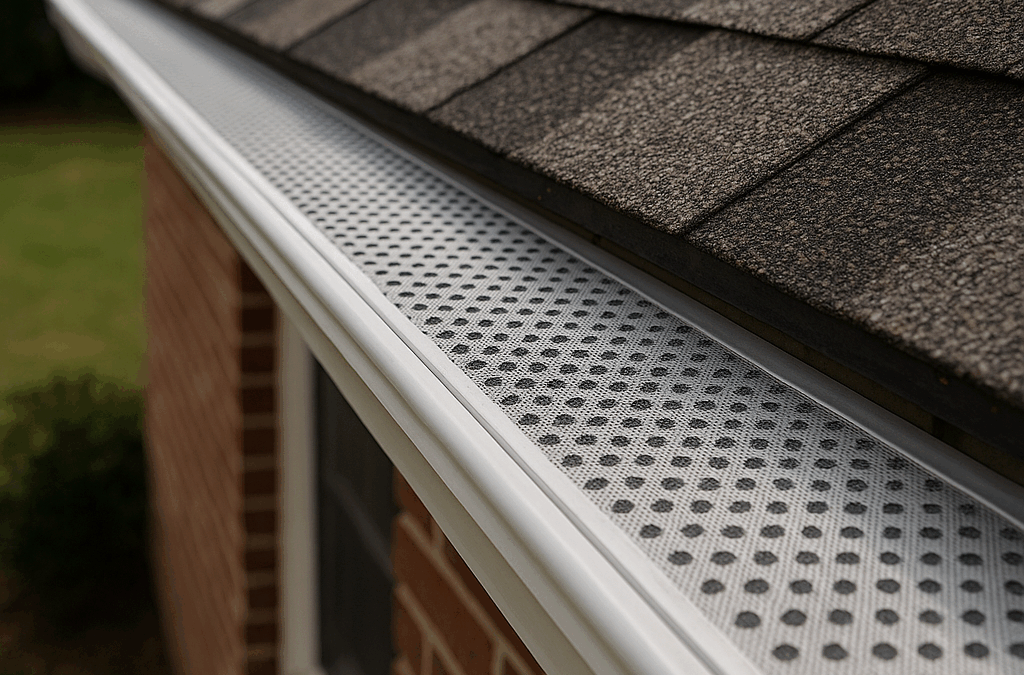
Gutter guards are a popular solution for homeowners aiming to minimize cleaning frequency and protect their properties from water damage. This detailed, informational article from Cardinal Gutters in Louisville, KY, outlines what gutter guards are, explains the main types available, discusses why they matter in the Louisville climate, details benefits and drawbacks, and offers practical guidance for ongoing care.
Introduction
Gutter guards are accessories designed to limit the entry of leaves, twigs, and other debris into the gutter trough while allowing rainwater to pass through. Cardinal Gutters, based in Louisville, KY, provides this educational resource to help local homeowners evaluate guard options and maintenance expectations based on regional weather and foliage patterns.
Why Gutter Guards Matter in Louisville
Louisville experiences four distinct seasons, with abundant tree cover in many neighborhoods and significant leaf fall in autumn. Periodic storms and heavy rains can quickly overwhelm clogged gutters, creating risks for foundation drainage, siding damage, and landscape erosion. Gutter guards can reduce debris accumulation and help preserve gutter function between cleanings.
Types of Gutter Guards
- Screen Guards: Metal or plastic grids that block larger debris; cost-effective but less effective against fine material.
- Micro-Mesh Guards: Fine metal mesh that filters small particles and performs well with shingle grit and small seed pods.
- Reverse Curve / Hood Guards: Direct water into the gutter channel using surface tension, shedding larger debris off the roof edge.
- Foam Inserts: Porous foam sits inside the gutter and filters water; inexpensive but may retain organic matter and invite mold in humid climates.
- Brush Guards: Cylindrical brushes sit in the gutter and trap leaves while allowing water through; easy to install but need frequent maintenance in leafy areas.
- Solid Covers with Slots: Conceal the gutter with a narrow opening; when installed correctly, they can significantly reduce debris entry and require minimal cleaning.
Benefits of Installing Gutter Guards
- Fewer Cleanings: Reduces how often gutters need manual clearing, saving time and lowering safety risks.
- Better Water Management: Helps maintain drainage capacity during moderate rain.
- Protection of Exterior Surfaces: Decreases overflow that can splash onto siding or foundation areas, reducing potential moisture damage.
- Potentially Extended Gutter Life: Less standing debris and moisture can slow corrosion and material breakdown.
Limitations and Risks to Consider
- Maintenance Still Required: Debris can build up on top of guards and in downspouts; periodic inspection is necessary.
- Effectiveness Depends on Debris Type: Fine particles common in the area may bypass coarse screens—micro-mesh systems tend to perform better in those conditions.
- Installation and Compatibility: Incorrect installation can lead to roof water overflow or trapped moisture; professional fitting is recommended for complex rooflines.
- Cost Considerations: Higher-quality guards may be more expensive initially but can offer better long-term value through reduced maintenance.
Practical Advice for Louisville Homeowners
- Match Guard Type to Local Debris: For neighborhoods with lots of fine seed pods or shingle grit, micro-mesh is often more effective than coarse screens.
- Seasonal Checks: Inspect and clear guards in spring and after the fall leaf drop, as well as following significant storms.
- Trim Trees Near Rooflines: Reducing direct overhead foliage reduces the debris load and improves guard performance.
- Maintain Downspouts: Ensure guards allow unimpeded flow to downspouts and consider downspout strainers or cleanouts to prevent localized clogs.
- Professional Evaluation for Complex Roofs: For multi-level roofs or historic homes, a professional assessment helps avoid water-management problems caused by poorly matched guards.
Conclusion
Gutter guards can play a useful role in preserving gutter function and lowering maintenance demands for Louisville homes, particularly in tree-heavy neighborhoods and during seasons with heavy leaf fall. Cardinal Gutters, located in Louisville, KY, recommends homeowners weigh the specific types of debris they face, understand the limitations of each guard type, and plan for regular inspections. Thoughtful selection and maintenance of gutter guards can help protect a home’s exterior and drainage systems over time.