
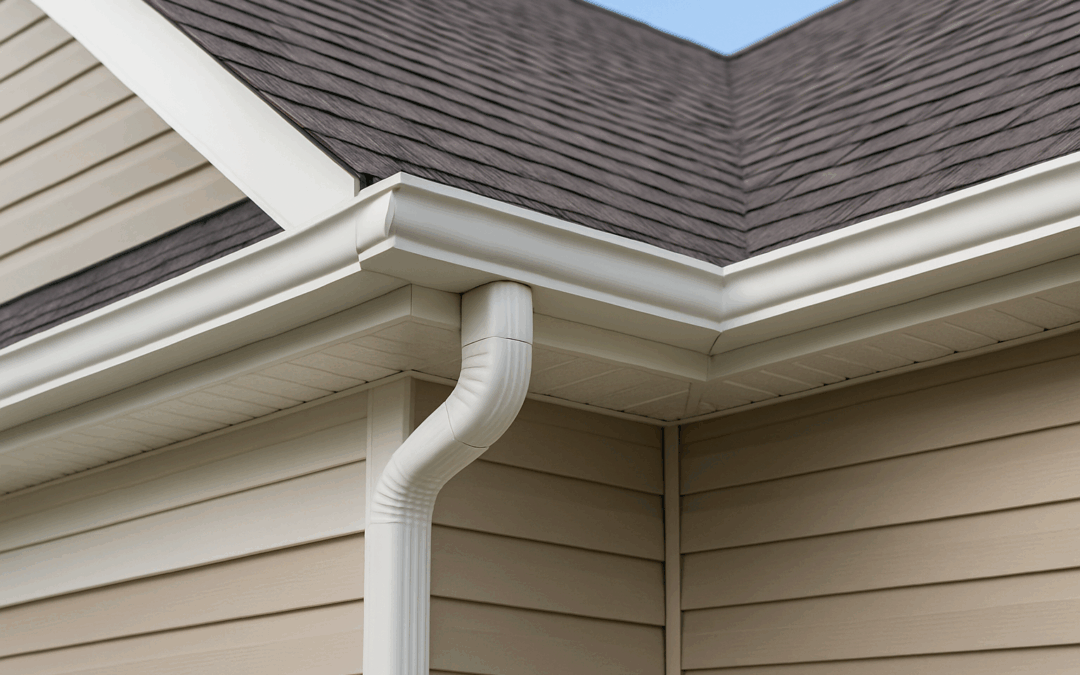
Proper rainwater management is a cornerstone of home protection in Louisville, KY, where humid summers, heavy spring rains, and autumn storms can create significant runoff. While gutters play a crucial role in collecting water from the roof, downspouts are responsible for carrying that water safely away from the house. In this thorough, educational guide, Cardinal Gutters of Louisville explains the importance of gutter downspouts, their benefits, risks, and practical homeowner tips.
What Are Gutter Downspouts?
Gutter downspouts are vertical pipes connected to gutter systems, channeling water from the roofline to the ground or into drainage solutions. Commonly made from aluminum, steel, or vinyl, downspouts come in various sizes and styles. Their placement and effectiveness directly impact how well a home is protected from water damage.
Why Downspouts Matter in Louisville, KY
Louisville’s climate brings frequent storms, flash flooding, and substantial leaf drop in fall. Local soils—often clay-based—drain slowly, increasing the risk of water pooling near the foundation. Downspouts are vital for moving water away from the home, minimizing erosion, mold, and foundation issues.
Key Benefits of Well-Installed Downspouts
1. Foundation Safeguards
Downspouts prevent water from pooling at the base of the home, reducing the risk of foundation cracks, shifting, and basement flooding.
2. Landscape and Exterior Protection
By directing water away from flower beds, lawns, and walkways, downspouts help prevent erosion and plant damage.
3. Siding and Structural Preservation
Efficient water management keeps siding and exterior walls dry, minimizing rot, mildew, and staining.
4. Pest and Mold Prevention
Standing water attracts pests and supports mold growth. Downspouts help maintain a dry environment around the house.
5. Gutter System Efficiency
Proper downspout placement ensures gutters don’t overflow, reducing maintenance and prolonging the system’s life.
Common Downspout Problems and Risks
1. Clogs and Blockages
Debris from trees and storms can clog downspouts, causing overflow and water damage.
2. Poor Placement
Downspouts that end too close to the foundation or in low spots can exacerbate drainage problems.
3. Damage and Disconnection
Heavy rain, wind, or accidental impact can bend or detach downspouts.
4. Insufficient Number
Large or complex roofs require multiple downspouts to manage water volume effectively.
5. Seasonal Issues
Freezing temperatures can block downspouts, while heavy autumn leaf drop can create clogs.
Practical Knowledge for Louisville Homeowners
Inspection and Upkeep
- Inspect downspouts twice a year and after major storms.
- Use a hose or plumber’s snake to clear clogs.
- Check for leaks, rust, and secure connections.
Discharge and Drainage
- Use extensions or splash blocks to move water several feet from the foundation.
- Consider underground drainage for persistent pooling or poor-draining soils.
Placement and Sizing
- Place downspouts every 20–30 feet of gutter.
- Match downspout diameter to roof size and rainfall intensity.
Maintenance Tips
- Secure downspouts to the house and angle for optimal flow.
- Clear before winter to prevent freezing.
- Monitor after storms for physical damage or misalignment.
Conclusion
Gutter downspouts are a critical aspect of water management for Louisville homes, protecting foundations, landscaping, and the overall structure. Cardinal Gutters in Louisville, KY, urges homeowners to understand the function, benefits, and maintenance needs of downspouts to keep their property safe from the area’s challenging climate. By staying proactive and informed, Louisville residents can effectively defend their homes against water-related risks.