Louisville homeowners understand the importance of protecting their investments against Kentucky’s unpredictable weather patterns, but many overlook one of the most critical aspects of home protection: proper gutter slope and pitch. Cardinal Gutters recognizes that Louisville’s unique position along the Ohio River, combined with our region’s humid subtropical climate and seasonal weather variations, creates specific challenges that demand precise gutter installation and maintenance. Understanding gutter slope and pitch isn’t merely technical information – it’s essential knowledge that directly impacts your home’s structural integrity and long-term value.
The Science Behind Gutter Slope and Pitch
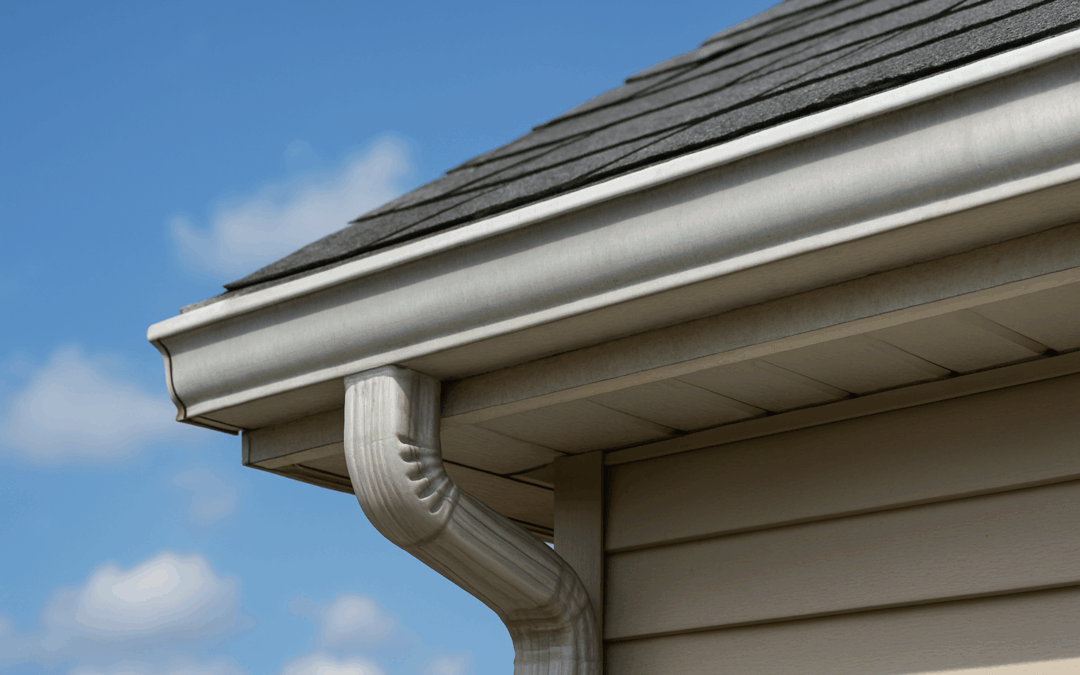
Gutter slope and pitch represent the calculated downward angle engineered into gutter systems to ensure efficient water drainage through gravitational force. This precisely measured angle determines how effectively your gutters collect rainwater from your roof and direct it toward downspouts and away from your home’s foundation.
The standard industry calculation calls for one-quarter inch of downward slope for every ten feet of horizontal gutter length. This ratio creates a 1:40 gradient that provides optimal water flow velocity without creating visible angles that detract from your home’s curb appeal. However, Louisville’s specific environmental conditions often require modifications to these baseline calculations.
Professional gutter slope calculation involves multiple variables including roof surface area, pitch angle, expected rainfall intensity, and the number and positioning of downspouts. Louisville’s average annual precipitation of approximately 44 inches, combined with our region’s tendency toward intense thunderstorms during spring and summer months, often necessitates slope adjustments beyond standard recommendations.
The physics of water flow in gutter systems becomes particularly important during Louisville’s peak storm seasons. Inadequate slope can create hydraulic backup effects where water accumulates faster than it can drain, leading to overflow conditions even when gutters aren’t completely full.
Louisville’s Unique Environmental Factors
Louisville’s geographic location creates distinctive weather patterns that directly influence gutter slope requirements. Our position along the Ohio River generates high humidity levels that promote rapid biological growth in any standing water, making proper drainage absolutely critical for system longevity.
The river valley topography that characterizes much of Louisville creates unique wind patterns and microclimates. These localized weather variations can cause uneven precipitation distribution across your roof, potentially overwhelming gutter sections with inadequate slope during concentrated rainfall events.
Louisville’s seasonal temperature swings, from hot, humid summers to cold winters with occasional ice storms, create thermal expansion and contraction cycles that can gradually alter gutter slope over time. This natural movement makes periodic slope assessment essential for maintaining optimal performance.
Kentucky’s clay-rich soil composition presents additional challenges for Louisville homeowners. Clay soil expands significantly when saturated and contracts during dry periods. Gutter overflow caused by improper slope can create devastating foundation problems as this soil movement cycle damages basement walls, causes settling, and compromises structural stability.
Recognizing Slope-Related Problems
Louisville homeowners should develop expertise in identifying slope problems before they escalate into expensive repairs. Early recognition allows for corrective measures that prevent foundation damage, landscape erosion, and structural issues common in our region.
The most obvious indicator of slope problems is visible standing water remaining in gutters after typical Louisville rainfall. However, subtle signs often appear first, including water staining on gutter exteriors, mineral deposits along gutter edges, and the beginning stages of biological growth such as algae or moss formation.
Overflow patterns during moderate storms provide valuable diagnostic information. Louisville’s spring and summer thunderstorms offer ideal testing conditions – properly sloped gutters should handle these typical rainfall events without overflow. Consistent overflow in specific locations indicates slope insufficiency in those areas.
Gutter sagging represents a serious warning sign often caused by the additional weight of standing water in improperly sloped systems. Kentucky’s humid climate accelerates this problem as standing water promotes debris accumulation and biological growth that further increases weight loads.
Ice formation during Louisville’s winter weather can reveal slope problems that aren’t obvious during warmer months. Even minor amounts of standing water can freeze and expand, creating ice dams that damage gutter systems and potentially cause roof leaks.
The Impact of Improper Slope on Home Protection
Understanding the consequences of inadequate gutter slope helps Louisville homeowners appreciate why proper installation and maintenance represent critical investments in home protection.
Foundation damage ranks among the most serious consequences of slope-related problems. Louisville’s clay soil composition makes foundations particularly vulnerable to water damage. When gutters overflow due to inadequate slope, the concentrated water deposition near foundation walls can cause clay soil expansion that creates pressure against basement walls, leading to cracks, leaks, and structural instability.
Landscape erosion around Louisville homes often results from gutter overflow caused by slope problems. The concentrated water flow from overflowing gutters creates erosion patterns that can damage landscaping, compromise walkways and driveways, and redirect water flow in ways that exacerbate foundation problems.
Basement flooding represents another serious risk associated with slope problems. Louisville’s topography and soil conditions make proper water drainage essential for basement protection. Inadequate gutter slope can overwhelm drainage systems and create hydraulic pressure that forces water into basement areas.
Pest problems multiply rapidly in standing water created by slope insufficiency. Louisville’s warm, humid climate provides ideal breeding conditions for mosquitoes in stagnant gutter water. Additionally, the moisture attracts termites, carpenter ants, and other destructive pests that threaten home structural integrity.
Slope Calculation for Louisville Conditions
Determining appropriate gutter slope for Louisville homes involves considering multiple factors beyond basic industry standards. The intensity and frequency of our regional storms often require slope adjustments to handle peak water volumes effectively.
Roof characteristics significantly influence slope calculations. Louisville homes with steeper roof pitches shed water more rapidly, requiring gutters with increased slope capacity to accommodate the accelerated flow. Similarly, homes with large roof areas or complex configurations may need customized slope solutions.
Downspout positioning and quantity directly affect optimal slope calculations. Louisville’s rainfall patterns often exceed national averages during peak storm events, making additional downspouts and corresponding slope modifications necessary for adequate performance.
The length of individual gutter runs also impacts slope requirements. Longer sections may require multiple high points with water flowing toward downspouts at both ends, preventing any single section from becoming too long to drain effectively during Louisville’s intense summer thunderstorms.
Professional Assessment and Correction Benefits
While basic slope problems might seem straightforward, professional assessment provides the precision and expertise necessary for optimal performance in Louisville’s challenging climate conditions. Experienced professionals use specialized equipment to measure existing slopes and calculate required adjustments for maximum effectiveness.
Professional evaluation also identifies contributing factors that homeowners typically overlook. Issues such as fascia board irregularities, structural settling, thermal movement effects, or inadequate downspout sizing require expert analysis to develop comprehensive correction strategies.
The complex rooflines common in Louisville’s diverse architectural styles often demand sophisticated slope solutions that balance multiple drainage zones while maintaining structural integrity and aesthetic appeal. Professional experience becomes invaluable for these challenging installations.
Maintenance and Long-term Performance
Maintaining optimal gutter slope requires ongoing attention to factors that can alter performance over time. Louisville’s temperature variations cause repeated expansion and contraction cycles that can gradually change slope angles, particularly in longer gutter runs.
Seasonal debris accumulation can temporarily affect slope performance. Louisville’s abundant tree cover means significant leaf fall during autumn months that can obstruct drainage even in properly sloped systems. However, correct slope helps maintain water flow even when gutters contain moderate debris levels.
Regular inspection after major storm events allows homeowners to identify slope problems before they cause serious damage. Louisville’s spring storm season provides natural testing conditions that reveal slope inadequacies before summer’s most intense weather arrives.
Conclusion
Proper gutter slope and pitch represent fundamental elements of effective home protection that Louisville homeowners cannot afford to ignore. The unique challenges presented by our river valley location, clay soil conditions, seasonal weather patterns, and humid climate make precise gutter slope absolutely essential for preventing water damage, foundation problems, and premature system failure. Cardinal Gutters understands these local challenges and the critical importance of proper slope in protecting Louisville homes. By ensuring your gutter system maintains appropriate slope and pitch, you’re making a wise investment in the long-term protection, structural integrity, and value of your Louisville home.