
Louisville’s location along the Ohio River brings humid summers, spring storms, fall leaf drop, and freeze–thaw cycles in winter. In this environment, roof drainage must perform across changing conditions. This educational guide from Cardinal Gutters in Louisville, KY, explains what seamless gutters are, how they compare to sectional systems, and the practical benefits and considerations for Jefferson County homeowners.
What Are Seamless Gutters?
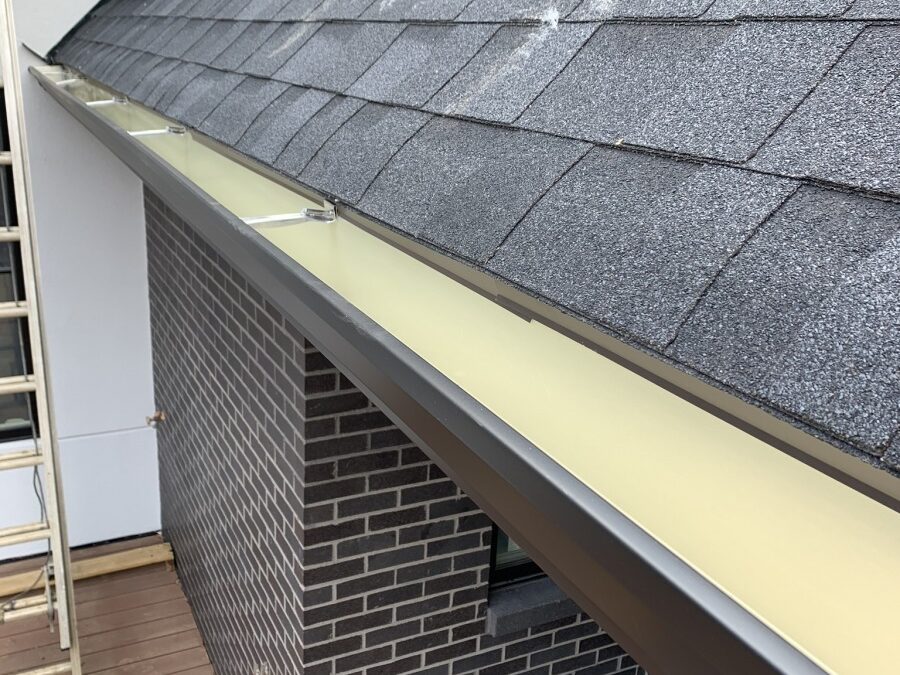
Seamless gutters are fabricated on-site from a continuous coil of metal—most commonly aluminum—shaped and cut to the exact length of each eave. Traditional sectional gutters are assembled from shorter pieces joined with connectors and sealants. By minimizing the number of joints, seamless systems reduce common points where leaks and clogs can develop.
Why Seamless Matters in Louisville’s Climate
- Spring and summer storms: High-intensity rainfall can stress any gutter system. Fewer seams help reduce leaks and can maintain better flow during peak precipitation.
- Autumn leaves: Louisville’s maples, oaks, and sycamores shed heavily. Seam-free straight runs reduce places where leaves snag and form dams.
- Winter freeze–thaw: Water that infiltrates seam gaps can expand during freezes, potentially worsening joint issues. With fewer straight-run seams, there are fewer such opportunities.
Core Benefits of Seamless Gutters
- Leak resistance: Without frequent joints, there are fewer locations where sealant ages or screws loosen. This can help maintain consistent performance through the seasons.
- Custom fit and capacity: On-site measurements and fabrication produce runs matched to your home’s exact dimensions. When paired with proper pitch and adequate downspouts, this supports reliable drainage in heavy storms.
- Aesthetic appeal: Continuous lines along the fascia produce a clean look that complements both historic and newer Louisville neighborhoods. Color-matched finishes can blend with siding and trim.
- Maintenance efficiency: All gutters need cleaning, but seamless designs minimize seam-related buildup zones. This can translate into fewer problem spots during fall and after wind-driven storms.
- Material options: Heavier-gauge aluminum can enhance durability. Steel or copper may be selected for specific architectural styles, with the understanding that each metal carries different maintenance and aesthetic considerations.
- Compatibility with guards: Many types of gutter guards install neatly over seamless runs. When matched to local debris, guards can help reduce clogs while still requiring periodic checks.
Practical Selection Tips for Louisville Homes
- Sizing: While 5-inch K-style gutters are common, 6-inch systems increase capacity for larger roof areas or steep pitches, which can help during intense downpours.
- Downspout planning: Long runs and roof valleys that collect multiple surfaces may need additional downspouts. Adequate discharge reduces overflow at the corners and entry points.
- Hangers and fasteners: Hidden hangers spaced appropriately support the gutter under water and snow loads. Correct fasteners and spacing help maintain alignment during storms and winter conditions.
- Gutter guard choice: For broadleaf debris, surface-tension covers or perforated guards can work well. For small seeds and samaras, consider fine-mesh designs. Inspect periodically regardless of guard type.
- Discharge management: Use extensions or splash blocks to direct water away from foundation walls, patios, and walkways. Ensure that discharge points do not create icing hazards in winter.
- Seasonal maintenance plan:
- Late fall: Remove leaves and check corners and valleys before winter sets in.
- Early spring: Clear winter debris and confirm free-flowing downspouts.
- After severe weather: Inspect for dents, loosened hangers, or displaced extensions.
Considerations and Tradeoffs
- Upfront cost and equipment: Seamless systems require specialized on-site forming. Homeowners often evaluate the reduced seam maintenance potential against initial costs and project logistics.
- Ongoing cleaning: Louisville’s tree canopy means debris management is part of home care. Seamless gutters reduce seam-related issues but do not eliminate the need for cleaning.
- Holistic drainage approach: Gutters work with grading, downspout extensions, and clear exit routes. Evaluate the entire path from roof to ground to mitigate pooling and erosion.
- Finish care and temperature swings: Painted finishes benefit from gentle washing. Metal expands and contracts; correct installation practices help accommodate movement through hot summers and cold snaps.
Local Considerations Around the River City
- Historic architecture: Many Louisville homes feature distinct rooflines. Seamless fabrication can produce long, clean runs that complement architectural details while addressing capacity needs.
- Leaf-heavy neighborhoods: Plan guard types and cleaning schedules around the tree species on your block—what falls on your roof dictates the best guard strategy.
- Winter precautions: Ensure that downspout outlets do not discharge where freeze–thaw can create slippery areas on sidewalks or drives.
Conclusion
Seamless gutters offer a streamlined, custom-fitted way to move water off the roof and away from the structure—benefits that matter during Louisville’s heavy rains, autumn leaf drop, and winter freeze–thaw periods. By selecting appropriate sizes, planning downspouts, and maintaining seasonal routines, homeowners can evaluate whether seamless gutters align with their property’s needs. This article from Cardinal Gutters in Louisville, KY, is intended to provide neutral, practical information to support informed decisions about roof drainage.