
Rainwater control is one of the most important aspects of protecting a home’s foundation, landscaping, and overall structural integrity. While gutters get most of the attention when people talk about rainwater systems, downspouts are equally important — and where they are placed can have a big impact on how well the system works. In a city like Louisville, KY, where weather can range from light showers to heavy thunderstorms, understanding proper downspout placement can help reduce water-related risks. Cardinal Gutters shares this educational information so homeowners can better understand how their gutter systems manage rainwater and why placement is a critical factor.
What is a Downspout and Why Does Placement Matter?
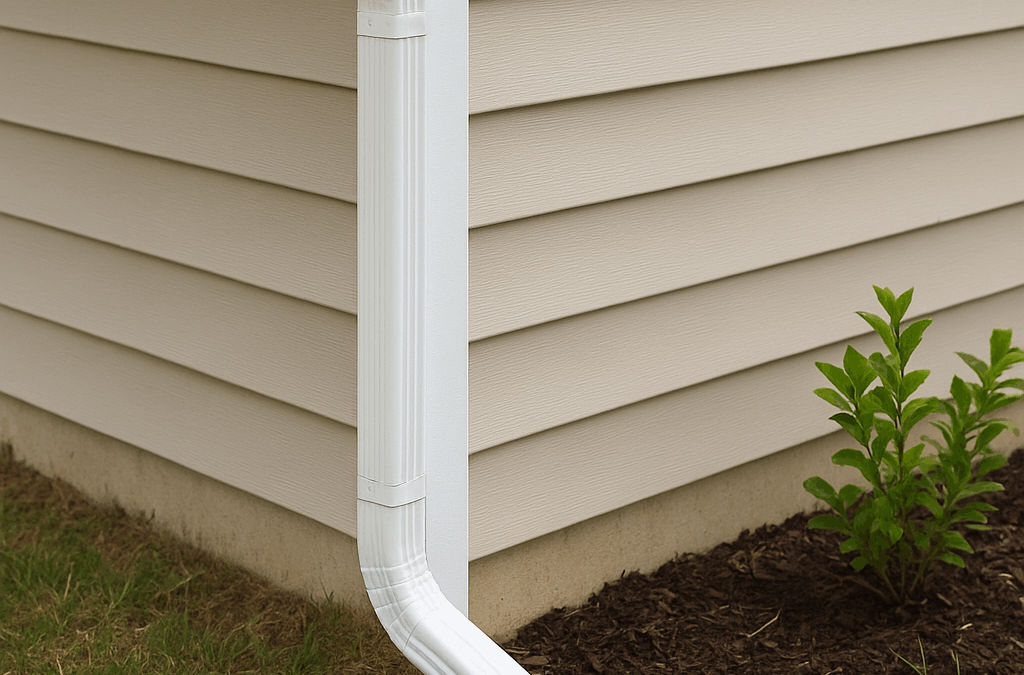
A downspout is the vertical pipe that directs rainwater from your gutters down to the ground, a drainage area, or a rain collection system. While its function seems simple, placement influences several important factors:
- Foundation Protection – If water exits too close to the home, it can lead to soil erosion, foundation cracks, or basement leaks.
- Landscape Preservation – Water that’s not directed properly can wash away mulch, harm plants, or erode soil.
- Home Exterior Longevity – Properly placed downspouts reduce the risk of water splashing back onto siding, soffits, and fascia boards.
Strategically positioning downspouts ensures water moves away from areas where it could cause damage.
General Guidelines for Downspout Placement
Although every home has unique needs, there are some widely accepted placement practices:
- Even Spacing – A common recommendation is one downspout for every 20–30 feet of gutter length.
- Correct Gutter Slope – Gutters should slope slightly toward each downspout so water naturally flows to the exit.
- Corner Placement – Many homes place downspouts at corners for convenience and direct flow.
- Avoid Problem Areas – Downspouts should not release water onto walkways, driveways, or low points that already collect water.
Louisville’s Climate and Its Impact on Downspout Planning
Louisville experiences a humid subtropical climate with plenty of rain throughout the year, which creates unique challenges for downspout placement:
- Heavy Rain Events – Sudden storms can dump large amounts of water quickly.
- Seasonal Storms – Spring and summer thunderstorms can overwhelm systems that lack enough downspouts.
- Clay and Silt Soil Mix – Louisville’s soil composition can drain slowly, so water needs to be carried far enough away from the home to avoid pooling.
- Winter Freezing – Water near the foundation in winter can freeze and expand, increasing the risk of cracks.
These local factors mean downspout placement in Louisville often requires consideration of both rainfall patterns and soil drainage capabilities.
Extensions and Drainage Add-Ons
Even if downspouts are positioned correctly, water still needs a safe destination. This is where extensions, splash blocks, and underground pipes can make a difference:
- Splash Blocks – Spread water over a wider area to prevent soil erosion.
- Flexible or Rigid Extensions – Carry water farther from the foundation.
- Buried Drainage Pipes – Move water underground to a safe exit point.
- Rain Gardens – Allow water to absorb naturally into the soil while adding to landscaping.
The right option depends on property layout, slope, and soil type.
Warning Signs of Poor Downspout Placement
Over time, certain issues can signal that downspout placement needs adjustment:
- Water Pooling Near the House – Indicates water is exiting too close to the foundation.
- Overflowing Gutters – Could mean there aren’t enough downspouts to handle the volume of water.
- Erosion Around the Exit Point – Suggests water is flowing out too forcefully in one spot.
- Water Stains on Siding or Foundation – May result from splashing or improper water direction.
Spotting these issues early allows homeowners to take steps to improve drainage and protect their property.
How Gutter Maintenance Supports Downspout Efficiency
Even perfectly placed downspouts can’t do their job if the gutters are clogged. Leaves, sticks, and other debris can block water flow, forcing it to spill over the gutter edge instead of traveling to the downspout. Regular gutter cleaning and inspection help:
- Keep water flowing smoothly.
- Ensure downspouts operate at full capacity.
- Direct water away from the home consistently.
With Louisville’s mix of seasonal storms and tree coverage, keeping gutters clean is key to maintaining an effective rainwater management system.
Final Thoughts
Downspout placement might seem like a small detail, but it plays a huge role in keeping rainwater under control and away from vulnerable areas around your home. By understanding how downspouts work, where they should be located, and how Louisville’s weather and soil conditions affect water movement, homeowners can make more informed decisions about their gutter systems. Cardinal Gutters values providing educational resources like this so Louisville residents can better understand the importance of smart rainwater management.