For homeowners in Louisville, KY, managing rainwater efficiently is essential to preserving the integrity of a home’s roof, siding, and foundation. While gutters are the most visible part of that system, one small but vital component often goes unnoticed: the gutter drip edge. In this article, Cardinal Gutters of Louisville, KY, provides a comprehensive and purely informational overview of gutter drip edges—what they are, how they work, and why they matter in the context of Kentucky’s unique weather patterns.
What Is a Gutter Drip Edge?
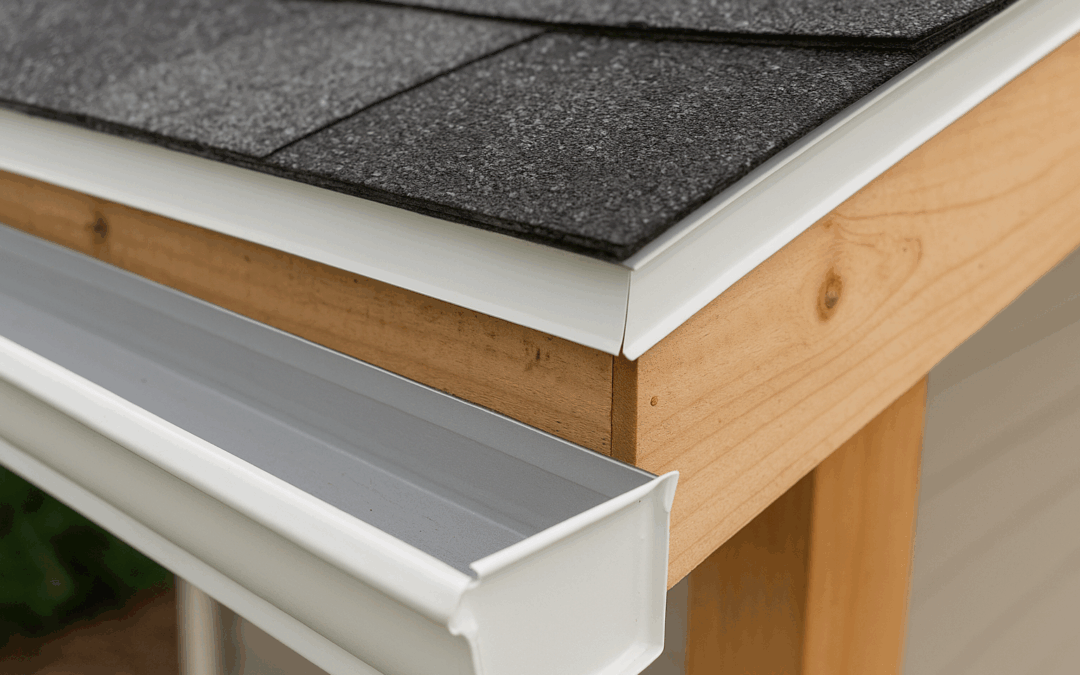
A gutter drip edge is a piece of angled metal flashing installed along the edges of a roof. It extends slightly beyond the fascia and guides rainwater directly into the gutters, rather than letting it run behind them or soak into the roof decking.
This seemingly minor addition serves a major purpose. By creating a physical barrier between the roof edge and water runoff, a drip edge protects your home from long-term moisture intrusion, rot, and structural damage.
Why Drip Edges Are Important in Louisville, KY
Louisville experiences a wide range of weather—spring thunderstorms, humid summers, and freeze-thaw cycles in winter. These conditions can accelerate wear on the roof and gutter system. A well-installed drip edge is especially valuable in this environment because it:
- Prevents water from seeping behind the gutter
- Reduces the risk of rot in fascia boards
- Helps guide water away from siding and foundation
- Minimizes potential for ice dams in winter
Given Kentucky’s climate, understanding how water flows off a roof—and how to control that flow—is crucial for preserving the long-term condition of a home.
Primary Functions of a Gutter Drip Edge
- Directs Water Into the Gutter
Without a drip edge, water can drip behind the gutter instead of into it, leading to potential damage on the exterior walls or foundation below. - Protects the Fascia Board and Roof Edge
By preventing water from wicking back underneath shingles or behind gutters, the drip edge helps protect wood components from decay. - Improves Overall Water Management
A clean water-shedding path keeps water where it’s supposed to go—through the downspouts and away from the structure. - Provides Resistance Against Wind-Driven Rain
In severe storms, especially those common in Louisville, a drip edge offers added defense against rain blown under shingles or against the fascia.
Types of Drip Edge Profiles
There are a few different profiles of drip edge flashing available, and each serves slightly different use cases:
- Type C (L-style): A simple 90-degree angle, typically used when the gutter sits close to the roof edge.
- Type D (T-style or D-metal): Features a more extended flange and a better water-shedding profile. Often preferred in regions with more rainfall.
Due to the frequency of storms and precipitation in Louisville, Type D is a popular choice for maximum water control.
Materials Used in Drip Edge Flashing
Drip edges come in several materials, each with distinct advantages:
- Aluminum: Lightweight and corrosion-resistant, often chosen for its cost-effectiveness and color variety.
- Galvanized Steel: Strong and durable but may require extra coating to prevent rust in humid or wet environments.
- Copper: Offers high durability and an upscale look, though it is typically more expensive.
For homes in Louisville, aluminum and galvanized steel are commonly used because they balance durability and affordability while holding up well in the region’s varied climate.
Drip Edge Installation and Code Compliance
According to the International Residential Code (IRC), drip edge flashing is required at both the eaves and rake edges of shingle roofs. The flashing should extend over the roof decking and under the roofing material, with proper overlap to prevent water penetration.
Louisville homeowners should also be aware that local building codes may reinforce or build upon IRC standards. For any new construction or roof replacement, it’s essential that drip edge installation complies with all relevant regulations.
Signs of Drip Edge Problems or Absence
If you’re unsure whether your home has a properly installed drip edge, watch for these common indicators:
- Staining or discoloration on the soffit or fascia
- Gutters pulling away from the roofline
- Water dripping behind the gutter during rain
- Visible deterioration at the edge of the roof shingles
- Rot or mold near the roofline
These symptoms may suggest that the drip edge is either missing or failing to perform correctly.
Maintenance Considerations
Drip edges are generally low maintenance, but that doesn’t mean they can be ignored. Here are a few helpful tips:
- Inspect Periodically: Look for rust, misalignment, or detachment—especially after major storms.
- Keep Gutters Clean: A clogged gutter can cause water backup, negating the benefits of the drip edge.
- Check for Paint Flaking or Corrosion: In older homes, paint or sealant on metal drip edges may degrade, exposing them to the elements.
- Look at the Ground Below: Splash marks or soil erosion under the eaves could be a sign that water isn’t flowing properly from the roof.
How Drip Edges Fit Into Your Gutter System
The drip edge works best as part of a comprehensive water management system that includes:
- Properly sized and pitched gutters
- Adequate downspouts to carry water away from the foundation
- Soffit and fascia systems that complement water control efforts
- Roofing that directs water into the gutter rather than over or behind it
When all these components work in harmony, the risk of moisture damage is significantly reduced.
Conclusion
Although it might seem like a small and technical piece of metal flashing, the gutter drip edge plays an outsized role in defending Louisville homes from water intrusion. From heavy rains to humid summers and occasional snowfalls, Kentucky’s changing weather patterns demand a proactive approach to roof and gutter protection.
By understanding what a drip edge does, how it fits into your gutter system, and what signs to look out for, homeowners can make smarter decisions about maintaining the long-term integrity of their home. Cardinal Gutters of Louisville, KY, shares this information to help local residents stay informed about one of the most critical—yet frequently overlooked—elements of home maintenance.