
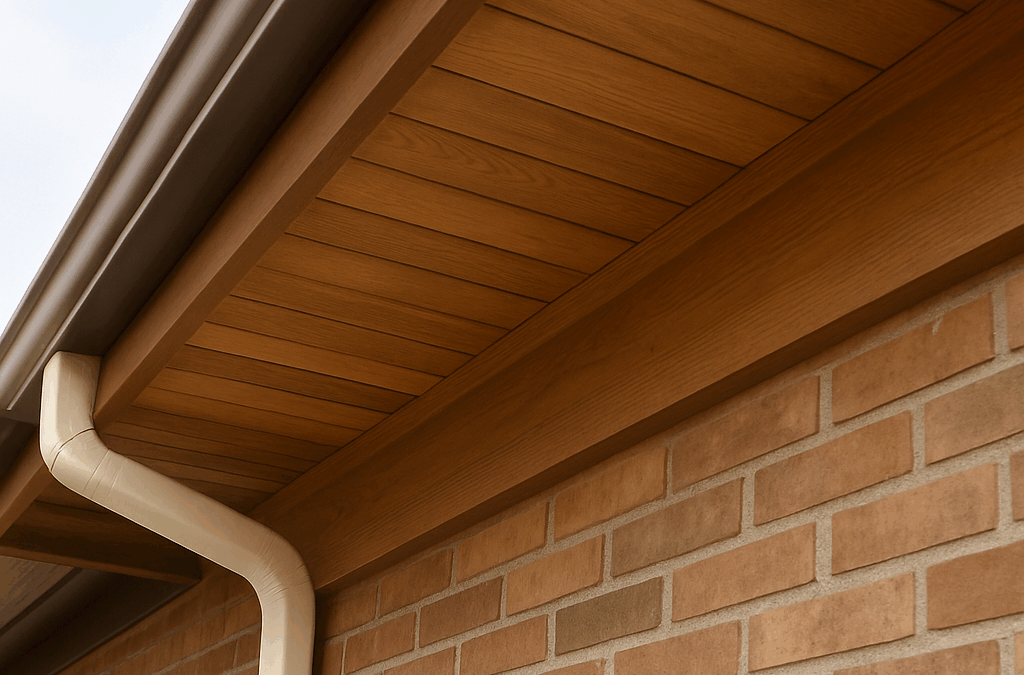
In the historic neighborhoods and modern suburbs of Louisville, Kentucky, homeowners are often faced with decisions about home maintenance that go far beyond the obvious. One architectural element that plays a crucial role in both aesthetics and functionality is the wood soffit. While often overlooked, the soffit helps protect the home from weather, promotes ventilation, and enhances curb appeal. This in-depth, informational guide—brought to you by Cardinal Gutters in Louisville—explores everything you need to know about wood soffits, from their purpose and materials to maintenance and regional considerations.
What Is a Wood Soffit?
A soffit is the exposed surface beneath the roof overhang, running from the outer edge of the roof to the exterior wall of the house. It closes off the eaves and can be made from several materials, including wood, vinyl, aluminum, and composite. When made from timber or engineered wood, it’s referred to as a wood soffit.
Wood soffits are especially common in older homes and traditional architectural styles, which are found in abundance throughout Louisville, from the Highlands to Crescent Hill to St. Matthews.
The Role of Soffits in a Home’s Exterior
Soffits may appear to be a minor detail, but they serve several essential purposes in residential construction:
- Ventilation: Soffits often include vents that allow air to flow into the attic, reducing humidity and maintaining temperature control.
- Moisture Control: Proper ventilation helps prevent moisture buildup that could lead to mold, rot, and mildew in the attic or roofing system.
- Protection: Soffits act as a barrier, shielding rafters and attic areas from pests, rain, snow, and wind.
- Aesthetic Value: Soffits provide a clean finish to the roofline and can enhance the architectural character of the home.
Why Choose Wood for Soffits?
Wood is a traditional and time-tested material, and it remains a popular choice for soffits in many Louisville homes. Here are a few reasons why:
1. Visual Appeal
Wood offers a warm, classic appearance that pairs well with traditional brick exteriors and older architectural styles often seen in Louisville’s historic neighborhoods.
2. Customizable Finish
Wood can be painted or stained to match other exterior trim components, such as fascia boards, shutters, or porch details. This flexibility allows homeowners to achieve a cohesive look.
3. Repair Flexibility
Unlike some synthetic materials, individual wood boards can be replaced when damaged without requiring the entire soffit to be redone.
Common Wood Types Used for Soffits
Different wood species and products are used to construct soffits. The right choice depends on your budget, aesthetic preference, and performance needs:
- Cedar – Naturally rot- and insect-resistant, ideal for longevity.
- Pine – Economical and easy to work with but requires more frequent maintenance.
- Douglas Fir – Durable and dimensionally stable.
- Plywood – Often used for soffit panels; affordable and easy to install.
Each type of wood offers its own strengths and considerations. Proper sealing and painting are essential regardless of the species used.
Wood Soffits and Louisville’s Climate
Louisville’s climate features hot, humid summers, cold winters, and frequent precipitation. These conditions present several challenges for wood soffits:
1. Moisture Exposure
Humidity and rainfall can cause wood to absorb moisture, which may lead to swelling, cracking, or rot if not properly sealed and maintained.
2. Insect Infestation
Untreated wood soffits can attract termites, carpenter bees, and other insects. Preventative treatment and inspections are key.
3. Freeze-Thaw Cycles
Winter weather can lead to freeze-thaw cycles that damage poorly sealed wood, causing paint to crack or boards to warp.
Soffit Ventilation and Home Performance
In many homes, especially those with attics, soffits play a role in the ventilation system. Vented soffits allow cooler air to enter the attic, which then pushes hot air out through roof or ridge vents. This airflow:
- Helps control attic temperature
- Reduces condensation and moisture buildup
- Extends the lifespan of roofing materials
- Supports energy efficiency, especially in seasonal climates like Louisville’s
Properly ventilated soffits contribute to a healthier roof system and may improve overall comfort in the home.
Maintenance Tips for Wood Soffits
While wood soffits offer beauty and tradition, they also demand regular upkeep. Here are a few general maintenance tips:
- Inspect Regularly: Check for peeling paint, rot, cracks, and signs of insect activity at least once a year.
- Repaint or Restain: Refresh the paint or stain every 3–5 years to protect the wood from UV and moisture damage.
- Keep Gutters Clean: Overflowing gutters can lead to water damage on nearby soffits. Routine gutter cleaning is important for soffit protection.
- Seal Gaps: Ensure joints and seams are caulked to prevent water infiltration.
- Ensure Proper Venting: If your soffits are vented, make sure they remain unobstructed by insulation, debris, or pests.
Alternatives to Wood Soffits
While wood remains a classic choice, many Louisville homeowners explore alternative soffit materials based on budget, performance, and maintenance considerations:
- Vinyl: Lightweight, low-maintenance, and resistant to moisture. Available in a wide range of colors and styles.
- Aluminum: Durable and insect-proof, but may dent more easily than vinyl or wood.
- Fiber Cement: Designed to replicate the appearance of wood while offering enhanced durability and moisture resistance.
The decision often comes down to balancing cost, aesthetics, and long-term care needs.
Wood Soffits and Historic Homes in Louisville
Louisville boasts a wide array of historic properties, particularly in neighborhoods like Old Louisville, Butchertown, and Cherokee Triangle. Many of these homes were originally built with wood soffits and may be subject to architectural preservation guidelines.
In such cases, maintaining or restoring the wood soffits can be an important part of preserving a home’s historical authenticity. Before making any exterior changes, homeowners in designated historic districts should check with local preservation boards for guidance.
Soffits, Fascia, and Gutter Systems: How They Work Together
Wood soffits are often installed in coordination with fascia boards and gutter systems. These components work together to protect the roof and the home’s structural perimeter:
- Fascia supports the bottom edge of the roof and serves as the attachment point for gutters.
- Gutters channel water away from the roofline and siding, reducing the risk of water intrusion.
- Soffits shield the underside of the eaves and promote ventilation.
If any part of this system is damaged or poorly maintained, it can affect the others. For example, failing wood soffits may lead to moisture reaching the fascia or weakening the gutter attachment.
Conclusion
The wood soffit is more than just a decorative feature—it’s a functional part of your home’s ventilation and weather protection system. In a city like Louisville, where weather conditions and architectural heritage both matter, understanding and caring for your wood soffits can make a significant difference in your home’s long-term health and appearance.
Whether you live in a classic Highlands bungalow, a Victorian in Old Louisville, or a ranch-style home in Jeffersontown, the information in this guide can help you better understand how soffits contribute to your home’s performance and value.