Louisville, Kentucky homeowners often invest significantly in quality roofing and gutter systems yet remain uninformed about a critical component bridging these two systems—the gutter drip edge. This metal flashing performs vital protective functions frequently overlooked until damage occurs. Cardinal Gutters regularly encounters Louisville-area properties where drip edge is missing, improperly installed, or deteriorated to the point of ineffectiveness. Understanding what gutter drip edge is, how it functions, and why it’s particularly important in Louisville’s climate helps homeowners recognize this component’s value and identify situations requiring attention or correction.
What Gutter Drip Edge Is
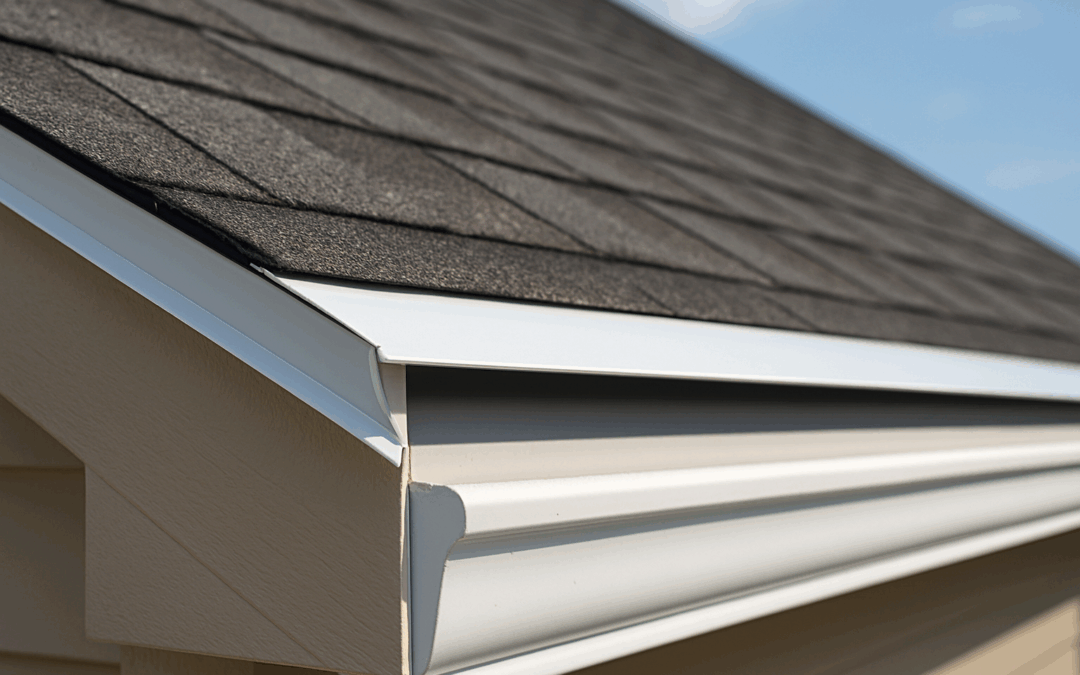
Gutter drip edge is a formed metal flashing installed along roof edges where roofing materials terminate at eaves and rakes. This metal strip, typically configured in an L-shape or T-shape profile, generally measures between two and four inches wide and runs continuously along roof perimeters. Common manufacturing materials include aluminum, galvanized steel, and copper, with aluminum being most prevalent in residential applications due to cost effectiveness, corrosion resistance, and light weight.
The drip edge installs in specific positions depending on location. Along eave edges (the horizontal bottom of the roof), it typically installs on top of roofing underlayment but beneath the shingles themselves. Along rake edges (the sloped sides of the roof), it usually installs under the underlayment. This precise installation sequence ensures proper water direction and optimal protection. The metal extends from beneath roofing materials, projects outward beyond the fascia board, and angles downward, creating a pathway that channels water into gutters rather than allowing it to run down fascia or seep behind gutters.
While drip edge may appear to be simply a bent piece of metal, its profile serves multiple specific purposes. The vertical leg that tucks under roofing materials creates a barrier preventing water from traveling backward beneath shingles. The horizontal leg projecting outward directs water away from roof decking edges and fascia boards. Some drip edge designs include hemmed edges that provide additional structural rigidity and drip lips that encourage water to fall cleanly into gutters rather than adhering to and following the metal surface.
The Critical Protective Functions of Drip Edge
Gutter drip edge serves several essential protective purposes particularly important in Louisville’s climate. The primary function involves directing water flow. When rain falls on roofing materials, water flows down shingles toward the roof edges. Without drip edge, this water can travel along the undersides of shingle edges, making contact with roof decking, fascia boards, and potentially infiltrating behind gutters. Drip edge intercepts this water flow and directs it outward and downward, ensuring it either falls into gutters or at minimum clears fascia boards and other vulnerable wood components.
Preventing water infiltration behind gutters represents another crucial function. Gutters mount to fascia boards, but gaps inevitably exist between the back of gutters and fascia surfaces. Wind-driven rain or water flowing off roofs can enter these gaps if drip edge doesn’t redirect the flow properly. Once water repeatedly reaches fascia boards, the wood absorbs moisture, begins deteriorating, and eventually rots. This rot can extend into roof decking, rafter tails, and soffit systems, creating expensive structural repairs that far exceed the cost of proper drip edge installation.
Protection against ice dam damage represents another important function, particularly relevant during Louisville’s winter freeze-thaw cycles. Ice dams form when heat escaping through the roof melts snow, which then refreezes at the colder roof edges. These ice ridges trap subsequent meltwater, forcing it backward under shingles. Properly installed drip edge creates an additional barrier that helps prevent this backed-up water from reaching roof decking and penetrating into attic spaces or living areas.
Drip edge also prevents pest access to attic spaces. The gap between roof decking edges and fascia boards creates potential entry points for insects, birds, and small mammals. Drip edge closes this gap, denying pests easy access while still allowing necessary ventilation through properly designed soffit vents.
Wind-driven rain protection becomes especially important during Louisville’s severe thunderstorms. Intense weather can drive rain horizontally or even upward under roof edges. Drip edge creates a physical barrier that helps deflect wind-blown moisture away from vulnerable areas.
Why Drip Edge Matters in Louisville’s Climate
Louisville’s humid subtropical climate featuring hot, humid summers and cold winters with significant precipitation creates conditions where proper water management becomes critical to building longevity. The city receives approximately 45 inches of annual rainfall, well above national averages. This precipitation doesn’t arrive uniformly throughout the year but often comes in intense thunderstorm events that dump large volumes of water quickly, testing all drainage and water management systems including drip edge.
Louisville’s spring and summer thunderstorms frequently produce torrential rainfall rates that can exceed two inches per hour. During these events, massive amounts of water cascade off roofs in sheets. Without properly functioning drip edge directing this flow into gutters or safely away from structures, fascia boards, soffit, and wall surfaces face repeated soaking. Louisville’s ambient humidity levels mean these components may not fully dry between rain events, creating persistent dampness that accelerates wood deterioration.
The region’s humidity promotes rapid biological growth. Mold, mildew, and wood-decay fungi thrive when wood remains consistently damp. Fascia boards and roof edges without drip edge protection stay wetter for longer periods, creating ideal conditions for these organisms to establish themselves. Once decay fungi colonize wood, they systematically break down the cellular structure, causing rot that compromises structural integrity.
Louisville winters bring freezing temperatures, snow, and ice events. When these occur, homes without proper drip edge face increased ice dam risks and potential freeze-thaw damage. Even brief freeze-thaw cycles can cause water that has infiltrated behind gutters or under shingles to freeze, expand, and create progressive damage.
The combination of intense rainfall events, sustained high humidity, and seasonal temperature extremes makes Louisville’s climate particularly challenging for building components exposed to weather. Drip edge represents a relatively simple, inexpensive component that provides outsized protection against these climate-related challenges.
Signs Indicating Drip Edge Problems
Several visible indicators suggest drip edge issues. Water staining on fascia boards, particularly dark vertical streaks running down from roof edges, often signals that water is flowing behind gutters rather than into them—exactly what drip edge should prevent. Peeling paint on fascia boards indicates moisture infiltration that properly functioning drip edge would normally redirect away from the wood.
Visible rot or detectable softness when pressing against fascia boards suggests long-term water exposure. Fascia deterioration often begins precisely where drip edge is missing or has failed, allowing repeated direct water contact. Gaps between gutter backs and fascia boards that appear wider than normal may indicate that original drip edge has corroded away completely or was never installed.
Observing water flow patterns during rainfall can reveal drip edge issues. Water flowing down fascia boards or dripping from behind gutters rather than from the gutter edges themselves indicates improper water management. Water should flow off roof surfaces, across the drip edge, and directly into gutters, then exit through downspouts—not cascade down exterior walls.
From attic spaces, water staining visible on roof decking edges or rafter tails suggests water is penetrating in areas where drip edge should be providing protection. Daylight visible along roof edges when viewing from inside the attic may indicate gaps that drip edge should be closing.
Drip Edge Installation Considerations
Proper drip edge installation requires specific techniques and correct sequencing. Along eaves, drip edge typically installs over the underlayment, allowing any water that somehow gets under the shingles to flow over the drip edge rather than behind it. Along rake edges, drip edge usually installs under the underlayment, with shingles overlapping it to ensure proper water shedding.
The drip edge should extend far enough outward to effectively direct water into gutters—typically projecting at least half an inch beyond the fascia. Insufficient projection allows water to run down fascia surfaces despite drip edge presence. Excessive projection can create an unsightly appearance and may be more susceptible to wind damage.
Joints where drip edge sections meet should overlap by at least two inches in the direction of water flow, preventing water from infiltrating at seams. Fasteners should penetrate roof decking securely while avoiding over-driving that dents or damages the metal.
Drip edge color selection affects both appearance and long-term performance. Colors should complement roofing and trim colors. Lighter colors reflect heat and may last longer under intense sun exposure, while darker colors provide less visible contrast with dark roofing materials but absorb more solar radiation.
Building Code Requirements
Many building codes now require drip edge installation on new construction and re-roofing projects. The International Residential Code (IRC), which many jurisdictions adopt or reference, includes specific drip edge requirements. Louisville-area construction may be subject to these codes, though specific requirements can vary by jurisdiction and project type.
Even where codes don’t specifically mandate drip edge, roofing material manufacturers often require it in their installation specifications. Failure to install drip edge according to manufacturer requirements can void roofing warranties—a significant consideration given that quality roofing represents a major homeowner investment.
Material Options and Expected Lifespan
Aluminum drip edge offers excellent corrosion resistance and typically lasts 20-30 years or more in Louisville’s climate. It’s lightweight, relatively easy to work with during installation, and available in various colors that can coordinate with roofing and trim. Galvanized steel provides superior strength and durability but may corrode over time, particularly if the protective galvanized coating becomes scratched or damaged during installation or by environmental exposure. Copper drip edge offers exceptional longevity—potentially 50 years or more—and develops an attractive patina over time, but costs significantly more than aluminum or steel alternatives.
Regardless of material choice, drip edge exposed to Louisville’s weather will eventually deteriorate through exposure to UV radiation, thermal cycling, moisture, and environmental contaminants. Periodic inspection helps identify deterioration before complete failure occurs and damage results.
Maintenance and Inspection
Drip edge requires minimal ongoing maintenance but benefits significantly from periodic inspection. During routine gutter cleaning sessions or roof inspections, examining drip edge condition takes minimal additional time and can reveal developing problems before they become serious. Look for signs of corrosion, particularly at joints or where fasteners penetrate the metal. Check that drip edge remains securely fastened and properly positioned. Verify that gutters haven’t pulled away from the drip edge, creating gaps where water can escape the intended flow path.
Cleaning debris that accumulates between drip edge and gutters prevents blockages that can redirect water flow inappropriately. Leaves, shingle granules, and other material can build up in this space over time, effectively negating the benefits drip edge provides.
Conclusion
Gutter drip edge represents one of those building components that receives minimal attention until its absence or failure creates visible problems and damage. For Louisville, Kentucky homeowners, this seemingly simple metal flashing provides critical protection against water damage in a climate characterized by intense rainfall events, high ambient humidity, and seasonal temperature extremes. Cardinal Gutters recognizes that Louisville-area property owners who understand drip edge functions, appreciate its importance, and can recognize potential failure indicators are better positioned to protect their homes from water-related damage that leads to costly structural repairs. Whether building new, replacing roofing systems, addressing fascia deterioration, or simply maintaining existing systems, knowledge about gutter drip edge and its role in comprehensive water management supports informed decision-making and effective long-term home protection strategies.