Louisville, Kentucky, positioned along the Ohio River, presents unique environmental challenges for homeowners maintaining their property’s exterior elements. The city’s humid subtropical climate, combined with seasonal temperature variations and frequent precipitation, creates specific concerns for wood soffit systems. This comprehensive educational guide from Cardinal Gutters in Louisville, KY, explores the essential aspects of wood soffit care, common deterioration patterns, and practical maintenance strategies for Jefferson County homeowners.
The Role of Wood Soffit in Home Construction
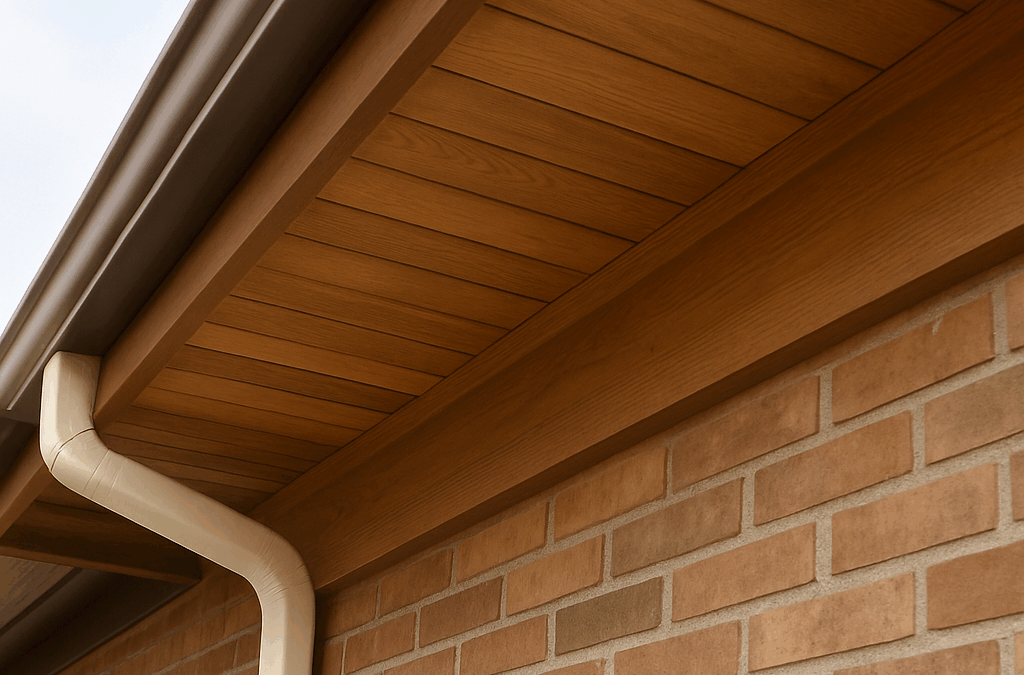
Wood soffit forms the horizontal surface beneath roof overhangs, creating the finished ceiling of the eave area. This architectural element serves several critical functions that directly impact home performance and longevity. Primary functions include facilitating proper attic ventilation through strategically placed openings, protecting exposed roof framing members from weather exposure, preventing pest access to roof and attic spaces, and contributing to the home’s overall aesthetic appeal and architectural integrity.
The soffit system works in coordination with fascia boards, gutters, and roofing materials to create a complete protective envelope around the roof perimeter. When functioning properly, this system channels water away from the structure while maintaining necessary airflow for attic health.
Louisville’s Climate Impact on Wood Materials
Louisville’s location in the Ohio River valley creates a climate that can be particularly challenging for wood building materials. The city experiences hot, humid summers with average temperatures in the 80s and 90s, combined with humidity levels that often exceed 70%. These conditions promote moisture absorption in wood and create favorable environments for decay organisms.
The region receives approximately 45 inches of annual precipitation, distributed throughout the year but with notable spring rainfall patterns that can saturate wood materials. Winter brings freeze-thaw cycles that cause repeated expansion and contraction in wood fibers, potentially creating stress cracks and joint separations.
Louisville’s mature urban canopy, while providing valuable shade and aesthetic benefits, contributes to soffit maintenance challenges through leaf accumulation, increased shade that slows drying, and organic debris that can trap moisture against wood surfaces.
Common Deterioration Patterns in Louisville
Moisture-Induced Decay
The most significant threat to wood soffit in Louisville’s climate is moisture-related deterioration. High humidity, combined with inadequate ventilation or water intrusion, creates conditions where wood-destroying fungi can thrive. Early signs of moisture problems include slight discoloration or darkening of wood surfaces, minor surface roughening or grain raising, and subtle changes in wood density or firmness.
Advanced moisture damage manifests as visible rot with soft, spongy areas that compress under pressure, significant discoloration ranging from gray to black, crumbling or flaking wood fibers, and structural weakness that compromises the soffit’s integrity.
Insect and Pest Infiltration
Louisville’s warm climate supports various wood-boring insects that can cause significant soffit damage. Carpenter bees create distinctive round holes approximately half an inch in diameter, often accompanied by yellowish sawdust deposits. These insects typically target unpainted or weathered wood surfaces.
Termites pose a more serious structural threat, as they can cause extensive hidden damage before detection. Subterranean termites are particularly common in Louisville’s area, and they may access wood soffit through foundation connections or direct soil contact.
Other pests, including squirrels and birds, may damage wood soffit while seeking attic access for nesting. These animals can create large holes or remove entire sections of deteriorated material.
Paint System Breakdown
Louisville’s UV exposure and temperature fluctuations subject painted wood surfaces to significant stress throughout the year. Paint films expand and contract with temperature changes, gradually developing microscopic cracks that allow moisture penetration. Over time, these cracks enlarge, leading to visible paint failure including peeling, bubbling, and flaking.
Poor surface preparation or incompatible paint systems can accelerate this process, resulting in premature paint failure even on relatively new applications.
Dimensional Instability
Wood’s natural tendency to expand and contract with moisture and temperature changes becomes problematic in Louisville’s variable climate. Repeated cycles of expansion and contraction can cause soffit boards to warp, cup, or twist, creating unsightly gaps and compromising the system’s protective function.
Inadequate fastening patterns or the use of inappropriate fastener types can exacerbate these problems, allowing wood movement to stress connections and create failure points.
Inspection Protocols and Warning Signs
Effective wood soffit maintenance begins with regular inspection to identify problems before they become severe. Louisville homeowners should conduct thorough visual inspections at least twice yearly, ideally during mild weather periods in spring and fall when access conditions are favorable.
Inspection should focus on several key areas: paint condition, looking for signs of cracking, peeling, or color changes that might indicate underlying problems; wood integrity, checking for soft spots, visible decay, or structural weakness; pest activity, examining for holes, sawdust deposits, or visible insect presence; and ventilation function, ensuring that soffit vents remain clear and unobstructed.
Use of binoculars can facilitate inspection of high or difficult-to-reach areas without requiring ladder access. However, any inspection requiring climbing should be conducted with appropriate safety equipment and precautions.
Preventive Maintenance Strategies
Successful wood soffit maintenance in Louisville requires a proactive approach focused on moisture management and regular care. Key strategies include ensuring effective water management through proper gutter function, roof maintenance, and prompt repair of any leaks that might affect the soffit area.
Regular cleaning helps prevent accumulation of organic debris that can trap moisture and promote decay. Use gentle cleaning methods such as soft brushes or low-pressure water rinses, avoiding harsh chemicals or high-pressure washing that might force water into joints or damage wood surfaces.
Paint maintenance is crucial for long-term wood protection. Address small areas of paint damage promptly to prevent moisture penetration, and plan for systematic repainting based on paint condition rather than arbitrary time schedules.
Ventilation maintenance involves keeping soffit vents clear of debris and ensuring adequate airflow to prevent moisture accumulation in attic spaces. Poor attic ventilation can contribute to soffit deterioration from the interior side.
Repair Methods and Techniques
When damage is identified, prompt repair can often prevent more extensive problems. Surface damage and beginning decay might be addressed through careful removal of affected material, application of wood consolidants or hardeners, and reconstruction using appropriate wood fillers or patching compounds.
Individual board replacement may be practical when damage is localized to specific areas. This approach requires careful removal techniques to avoid disturbing adjacent materials and proper selection of replacement materials that match existing profiles and characteristics.
For pest-related damage, addressing the underlying pest issue is essential before making physical repairs. This might involve professional pest treatment and implementation of preventive measures to discourage future infestations.
Replacement Considerations
Extensive damage may make complete replacement more cost-effective than continued repairs. Factors favoring replacement include widespread decay affecting large areas or multiple boards, repeated pest problems causing ongoing damage, structural issues such as sagging or separation from the building, and maintenance requirements that become frequent and expensive.
Additionally, older soffit systems may lack adequate ventilation or may have been constructed using materials or methods that are no longer considered optimal for Louisville’s climate.
Alternative Material Options
When replacement becomes necessary, homeowners have alternatives to traditional wood materials. Vinyl soffit offers excellent moisture resistance and minimal maintenance requirements, though it may not provide the same aesthetic appeal as natural wood. Aluminum soffit provides good durability and pest resistance while maintaining effective ventilation properties.
Fiber cement represents a compromise option, offering wood-like appearance with improved weather resistance and reduced maintenance needs compared to natural wood. Each alternative material has specific advantages and limitations regarding cost, appearance, maintenance, and performance in Louisville’s climate conditions.
Professional Expertise and Safety
Wood soffit work involves inherent safety risks related to working at height and requires understanding of proper ventilation requirements, building codes, and installation techniques. While basic maintenance tasks may be manageable for some homeowners, more extensive repairs or replacement typically benefit from professional expertise.
Qualified contractors possess the knowledge, experience, and equipment necessary to work safely at roof height while ensuring that repairs or replacements meet local building requirements and perform effectively in Louisville’s climate conditions.
Conclusion
Wood soffit systems play an essential role in protecting Louisville homes while contributing to their architectural character and property value. Understanding the maintenance requirements, recognizing common problems, and implementing appropriate care strategies helps homeowners preserve these important building components. Regular inspection, preventive maintenance, and timely repairs can significantly extend wood soffit service life and protect the broader roofing system. This detailed guide from Cardinal Gutters in Louisville, KY, provides the foundational knowledge necessary for effective wood soffit care in the challenging but rewarding climate of the Ohio River valley.